What to See in the Aragonese Pyrenees in September: An Autumn Route and the Grape Harvest in Somontano
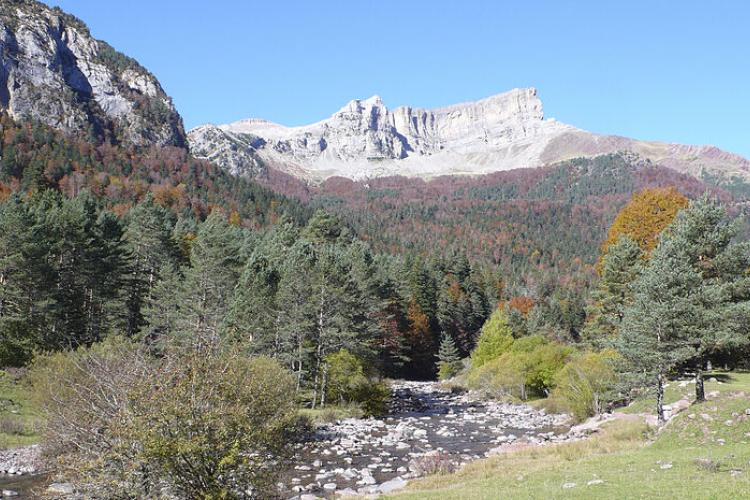
Why September Is the Best Month to Visit the Aragonese Pyrenees
Temperatures of 15–22°C at mid-altitude, mud-free trails, active wildlife (September marks the start of the deer rut, one of the great natural spectacles of the Pyrenees) and the first autumn colours on beech, oak and poplar trees. And none of the National Park queues you get in July and August. It's a hard combination to beat.
The Must-See Destinations of the Aragonese Pyrenees
Ordesa y Monte Perdido National Park — Torla-Ordesa
The heart of the Aragonese Pyrenees. Declared a National Park in 1918 and a UNESCO World Heritage Site, it spans four valleys: Ordesa, Añisclo, Escuaín and Pineta. The Cola de Caballo trail (17 km, moderate difficulty, 5–6 hours) is the classic route through the Ordesa Valley: it follows the Arazas River between limestone walls up to the waterfall of the same name. In autumn, the canyon walls and beech forests turn gold. During peak season, access is by shuttle bus from Torla. Torla-Ordesa is 44 km from Aínsa.
Benasque — The Capital of the High Mountain Pyrenees
Benasque is the starting point for reaching the Maladeta massif and the Aneto (3,404 m), the highest peak in the Pyrenees. The village retains its medieval architecture, including the Palace of the Counts of Ribagorza and the Romanesque church of Santa María Mayor. A few minutes away, the village of Anciles is one of the finest examples of traditional Pyrenean architecture. The nearby Estós Valley and the Cregüeña tarn offer spectacular routes in September.
Hecho and Ansó — The Western Valleys
At the western edge of the Aragonese Pyrenees, the Hecho and Ansó valleys hold two of the most authentic stone villages in the range. The Selva de Oza, in the Hecho Valley, is the most photographed beech and fir forest in the Aragonese Pyrenees in autumn. The Gamueta Forest, near Ansó, offers beautiful circular routes through deciduous woodland.
Jaca — The Historic Gateway to the Pyrenees
The capital of the Huesca Pyrenees, Jaca is a city with 2,000 years of history. Its main landmarks are the Citadel — one of Europe's best-preserved star-shaped fortresses, dating from the 16th century — and the Cathedral of San Pedro (11th century), one of the first Romanesque cathedrals in Spain and a stop on the Camino de Santiago. The Diocesan Museum of Medieval Art, inside the cathedral, houses an exceptional collection of Romanesque mural paintings.
Canfranc — The Ghost Station That Came Back to Life
Canfranc International Station, opened in 1928 and for decades the second largest in Europe (241 metres long), partially closed in 1970. After decades of partial abandonment, it reopened in 2020 as the Royal Hideaway Hotel Canfranc Estación, restored to its former splendour. Visiting its platforms and French-style architecture is a journey back in time.
Pineta Valley and Bielsa
The Pineta Valley, accessible from Bielsa, is a 12-kilometre glacial valley that closes at the impressive Cirque de Pineta. The Cinca River is born here. The route to the Llanos de La Larri is considered one of the best hikes in the entire Pyrenees.
The Best Spots to See the Autumn Colours
The first changes begin in September at mid-altitudes and intensify in October. The best spots for Pyrenean foliage are:
- Selva de Oza (Hecho Valley): the most iconic forest in the Aragonese Pyrenees in autumn.
- Ordesa Valley (Torla): centuries-old beech trees lining the Cola de Caballo trail.
- Gamueta Forest (Ansó): circular routes through deciduous woodland.
- Pineta Valley (Bielsa): firs and beeches at the base of the glacial cirque.
- Aínsa and the Ara River: black poplars and riverside woodland with spectacular colours.
The Grape Harvest in Somontano: A Standout Experience
While autumn colours announce themselves on the peaks, at the foot of the Pyrenees, in the Somontano region, the vineyards are living through their busiest moment: the grape harvest. The harvest in the Somontano Designation of Origin usually begins in mid-August with the earliest varieties (Chardonnay, Gewürztraminer, Merlot) and runs until early October with the latest ones (Cabernet Sauvignon, Garnacha, Parraleta — the native variety that always closes the campaign).
The 2025 harvest began on 11 August with Chardonnay and ended on 9 October with Parraleta, with more than 15.5 million kilos of grapes picked, according to the Somontano DO Regulatory Council. The heart of the harvest — the red varieties — falls in September.
Experience the Harvest with Viñas del Vero: Grape Harvest Among Friends and Grape Treading
Viñas del Vero, the leading winery in the Somontano DO by volume and quality, based in Barbastro, is holding the "Grape Harvest Among Friends and Grape Treading" experience on 26 September. It's designed for groups of 6 people, giving you the chance to see the harvest process from the inside and enjoy the traditional grape treading with your group of friends, lunch included. The plan runs from 11:00 am to 2:00 pm. Bookings and information by phone on +34 974 30 22 16 or by email at marketing@vinasdelvero.es.
It's one of the best ways to connect the mountain experience with the wine culture of the Pyrenees. And a good enough reason to stretch the weekend one more day.
Book the grape harvest experience at Viñas del Vero
Suggested Route: Aragonese Pyrenees + Somontano in 5–7 Days
Here's a circular itinerary combining the great Pyrenean destinations with Somontano:
- Days 1–2: Western Pyrenees — Jaca (Citadel, Romanesque Cathedral), Hecho Valley (Selva de Oza), Ansó (Gamueta Forest).
- Days 3–4: Central Pyrenees — Torla-Ordesa (Cola de Caballo), Aínsa (medieval old town, Plaza Mayor).
- Day 5: Eastern Pyrenees — Bielsa, Pineta Valley (Cirque de Pineta, Llanos de La Larri).
- Day 6: Transition — south from Benasque to Barbastro. The Gorgas de Olvena (an impressive canyon on the Ésera River) or the Pasarelas del Vero in Alquézar, a natural bridge between mountains and vineyards.
- Day 7: Somontano — Viñas del Vero (Grape Harvest Among Friends and Grape Treading, or a winery visit), the Espacio del Vino del Somontano in Barbastro, lunch with local wine pairing.
Somontano DO in Numbers
The Somontano Designation of Origin was created in 1984. It covers the region of the same name in the province of Huesca, with around 4,000 hectares of vineyards and 28 wineries. The name means "beneath the mountain" (sub montanus), an exact reflection of its position between the Aragonese steppe and the Pyrenees. A continental climate with Mediterranean influence, cold winters, warm summers and a wide daily temperature range — driven by the proximity of the mountains — are the key to the aromatic, intense wines produced in the area.
Frequently Asked Questions
What is the best time to visit the Aragonese Pyrenees?
September is one of the best months: the high mountain trails are free of snow, temperatures are pleasant (15–22°C at mid-altitude), the forests start to show their first autumn colours, and there are fewer tourists than in August. July and August offer the widest range of activities but also draw the most visitors. For peak autumn foliage, the second half of October is the high point.
What to see in the Aragonese Pyrenees in September?
The essentials are: Ordesa y Monte Perdido National Park (the Cola de Caballo trail from Torla, 17 km), the Pineta Valley from Bielsa, Benasque (gateway to the Aneto, 3,404 m, the highest peak in the Pyrenees), the Hecho and Ansó valleys with the Selva de Oza and Gamueta Forest, and Jaca (Renaissance Citadel, 11th-century Romanesque Cathedral). September is also grape harvest month in Somontano, making it easy to combine mountains and wine in the same trip.
When is the grape harvest in Somontano?
The harvest in the Somontano DO usually begins in mid-August with the earliest varieties (Chardonnay, Gewürztraminer, Merlot) and runs until the first week of October with the latest ones (Cabernet Sauvignon, Garnacha, Parraleta). The heart of the harvest — the main red varieties — falls in September. In the 2025 harvest, the campaign began on 11 August and closed on 9 October with more than 15.5 million kilos of grapes picked.
How can you experience the grape harvest in Somontano?
Viñas del Vero, the leading winery in the Somontano DO, is holding the "Grape Harvest Among Friends and Grape Treading" experience on 26 September: from 11:00 am to 2:00 pm, designed for groups of 6 people, to see the harvest process from the inside, enjoy grape treading together, and share a lunch, included. Bookings and information by phone on +34 974 30 22 16 or by email at marketing@vinasdelvero.es. The Somontano Wine Bus also runs themed harvest itineraries from Zaragoza, Huesca and Barbastro.
How can you combine the Pyrenees and Somontano in the same trip?
The key is geography: Barbastro (the capital of Somontano) is 55 km from Aínsa, 100 km from Benasque and 100 km from Torla-Ordesa. A 5–7 day route can start in the western Pyrenees (Jaca, Hecho, Ansó), continue through the central area (Ordesa, Aínsa) and the eastern area (Benasque, Pineta), and close in Somontano with a day of grape harvesting or a winery visit at Viñas del Vero. Barbastro is the natural transition point between mountains and vineyards.
What is the highest peak in the Aragonese Pyrenees?
The Aneto (3,404 m), in the Maladeta massif (municipality of Montanuy, Huesca), is the highest peak in the Pyrenees and in the entire mountain range. It's accessed from the Benasque Valley. The standard ascent route starts from the Renclusa refuge and is a high-mountain route that requires experience and proper equipment.